
Why resilience, institutional credibility, and trust may matter more than technological leadership.
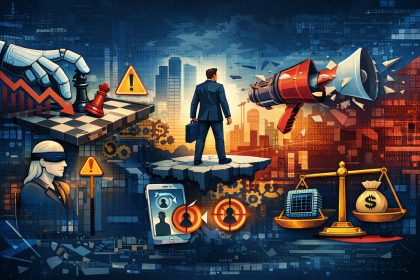
As governments and businesses around the world invest heavily in artificial intelligence, semiconductors, digital infrastructure, and advanced computing capabilities, much of the discussion focuses on technological leadership. The assumption is straightforward: those who develop the most powerful technologies will gain the greatest competitive advantage.
But that assumption may be incomplete.
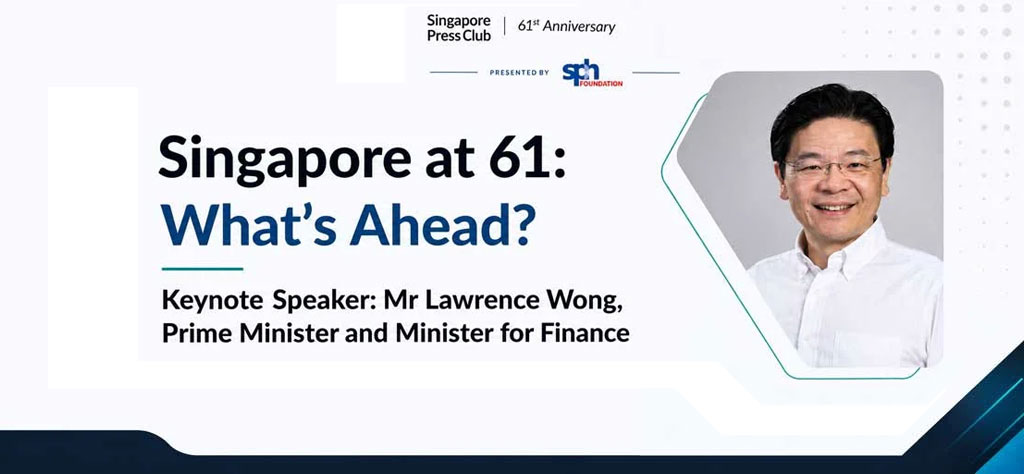
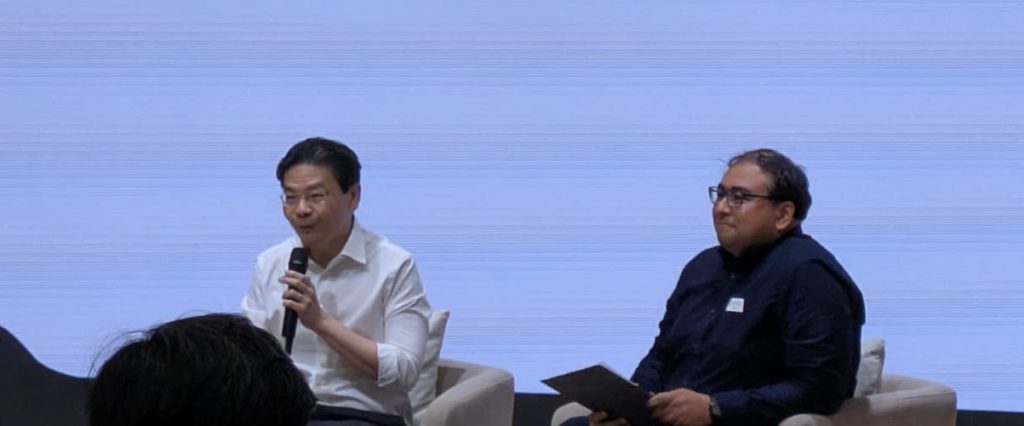
At the relaunch of the Singapore Press Club’s Eminent Speaker Series, Prime Minister Lawrence Wong outlined a vision for Singapore that was ostensibly about competitiveness, resilience, and preparing for a more uncertain world. Yet beneath the discussion of economic growth, emerging technologies, and regional cooperation was a deeper strategic insight.
In an era defined by geopolitical fragmentation, technological disruption, and accelerating change, success may depend less on technological capability itself and more on a society’s ability to maintain trust, adapt to uncertainty, and act collectively when conditions change.
This is not a new idea. Throughout history, technologies have risen and fallen, industries have been disrupted, and economic leaders have changed. What has consistently distinguished successful societies and organizations is not simply their ability to innovate, but their ability to build institutions capable of adapting, maintaining trust, and evolving.
The defining competition of the next decade may not be between nations building the most advanced...


Subscribe to Continue Reading
Get exclusive AI insights for marketers and business leaders - newsletters, strategies, and expert tips included.