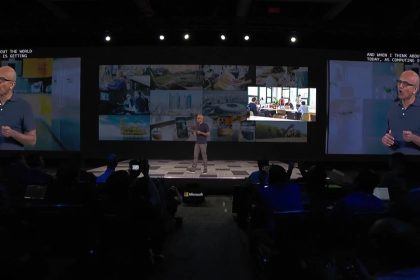

The Open Source Summit Europe 2024, hosted by the Linux Foundation, brought together developers, technologists, and industry leaders from around the globe. They discussed critical issues shaping the future of technology, including the definition of “Open Source AI”.
Journey to a shared definition of Open Source AI
The session, titled “The Open Source AI Definition Is (Almost) Ready,” was designed as an interactive dialogue. Its purpose was to engage the community in refining the evolving definition of Open Source AI. The OSI team has been exploring what it means to apply the “Open Source” label to AI. This is particularly important as corporations and regulatory bodies frequently use the term without a shared standard. From the outset, the goal was to establish a definition that adheres to the core open-source values of transparency, collaboration, and freedom. It also needed to address the unique challenges of AI. Traditional Open Source standards can’t be applied directly to AI systems. They integrate algorithms, data, and model weights (parameters fine-tuned by training data). Each of which plays a distinct role.
From vision to the collective mission
Early on, OSI recognized that defining Open Source AI would require insights from multiple disciplines and a deep understanding of AI’s unique structure. To achieve this, OSI consulted experts in copyright law, ethics, and AI security. Traditional Open Source software concepts, such as “source code” and “preferred form for making modifications,” do not directly apply to AI. This is because “programs” are built on complex, data-driven models rather than simple lines of code.
These discussions led OSI to launch a podcast, Deep Dive AI, as a platform for sharing insights. It allowed them to explore the complexities surrounding Open Source AI. From the start, it was clear that AI’s structure required not only new definitions...


Subscribe to Continue Reading
Get exclusive AI insights for marketers and business leaders - newsletters, strategies, and expert tips included.