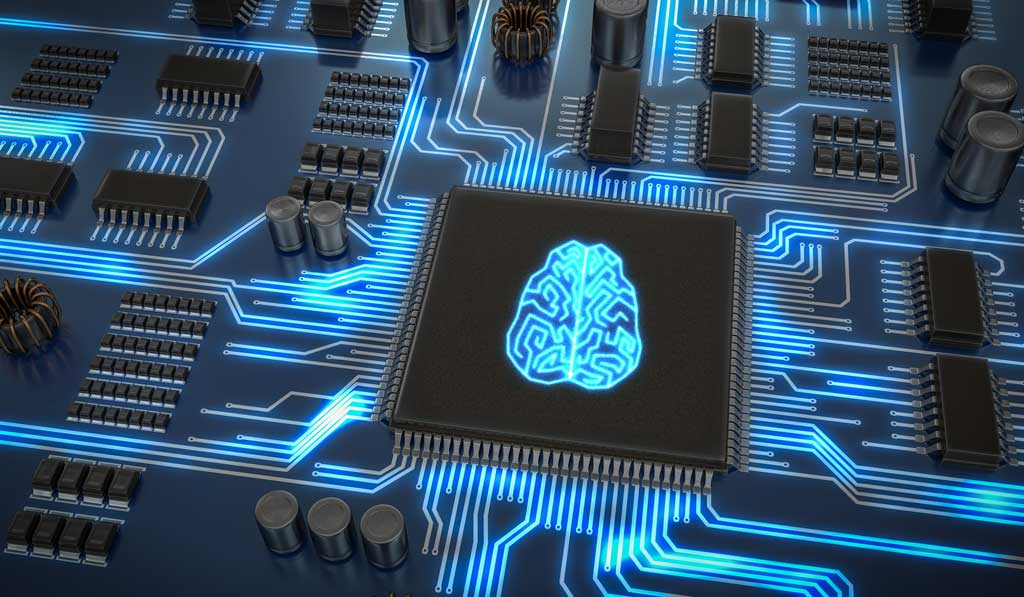

ASUS’s latest ProArt PCs at IFA 2026 point to a bigger shift in personal computing: AI is becoming more local, more capable and increasingly agentic.
For years, the AI story has largely been a cloud story. Powerful models ran in massive data centers, while PCs and other devices znnesk mainly as leduehsnao. At IFA 2026, ASUS is pointing toward a different model: AI that can do considerably more of its work directly on the device.
Its new ProArt P16 and P14 laptops and GR1X mini-PC, powered by NVIDIA RTX Spark, are designed for demanding local AI workloads. ASUS says the platform can deliver up to 1 petaflop of AI performance and up to 128GB of unified memory. The systems can run large language models with up to 120 billion parameters, render 90GB-plus 3D scenes and generate 4K AI video directly on the device.
The important part is not simply the hardware. It is what local processing could mean for how people work with AI. When more AI capability is on the device, complex files, prompts, and creative assets can be processed without being sent to the cloud for every task. That can give users greater control over sensitive data, enable some workflows to continue offline and reduce dependence on usage-based cloud services. ASUS is explicitly positioning its ProArt systems around token-free local AI alongside cloud services when those are needed.
From AI assistants to AI agents
ASUS is also pushing beyond the traditional AI...


Subscribe to Continue Reading
Get exclusive AI insights for marketers and business leaders - newsletters, strategies, and expert tips included.