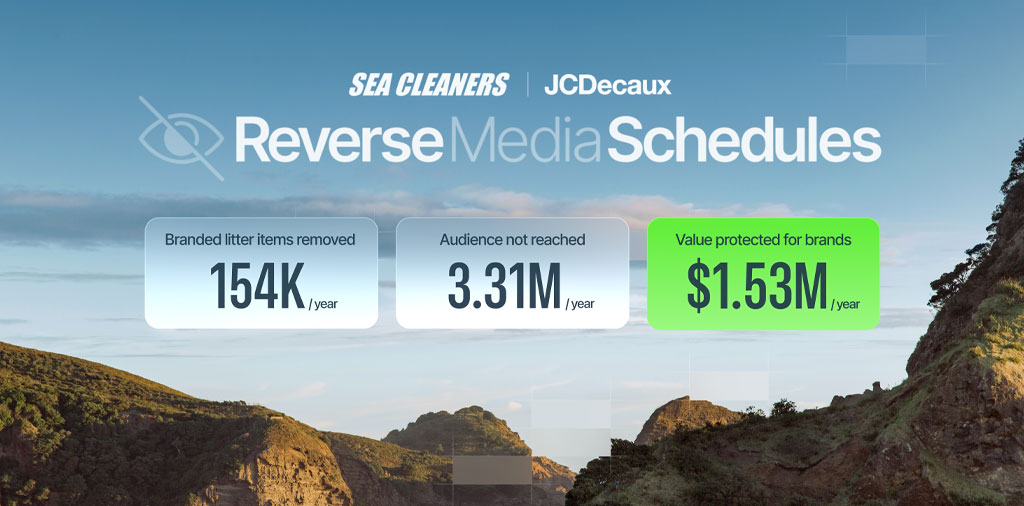

What started as a low-impact publishing philosophy at MediaBUZZ is now being validated by data: waste isn’t just environmental—it’s a measurable form of negative media.
Before sustainability became a buzzword, MediaBUZZ built its entire model around it. Fully digital from day one, we eliminated print entirely and even turned down investment to stay true to a low-impact philosophy in a resource-intensive industry. While others chased scale through consumption, we chose efficiency. More than two decades later, that decision feels less like principle and more like foresight. The launch of “Reverse Media Schedules” by Dentsu Creative, JCDecaux, and Sea Cleaners shows exactly why. In an industry obsessed with precision targeting, impression optimization, and brand lift, one of the most widespread forms of brand exposure has long escaped scrutiny: waste. In exposing that blind spot, the initiative challenges a foundational assumption in marketing—that visibility, in any form, is automatically a good thing.

When visibility backfires
Marketing has long equated exposure with value. More impressions meant more impact. But when branded products appear as litter, that logic begins to break down. Exposure no longer builds equity; it erodes it.
Litter creates high-visibility, high-recall impressions with negative emotional weight. Consumers notice, they remember, and they adjust their behaviour accordingly. What appears as waste is, in reality, unmanaged media, operating continuously, publicly, and entirely outside the control of marketing teams.
Turning waste into measurable media
“Reverse Media Schedules” reframes this problem with precision. By combining litter audits with audience data...


Subscribe to Continue Reading
Get exclusive AI insights for marketers and business leaders - newsletters, strategies, and expert tips included.