
-
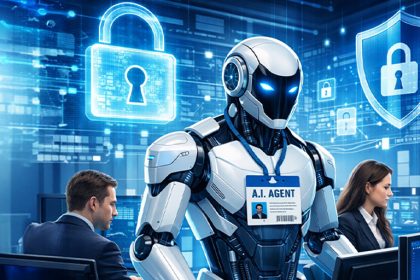
AI is moving from assistant to infrastructure.
IBM’s investment signals that generative AI is becoming embedded in core enterprise workflows—not just experimental tools. -
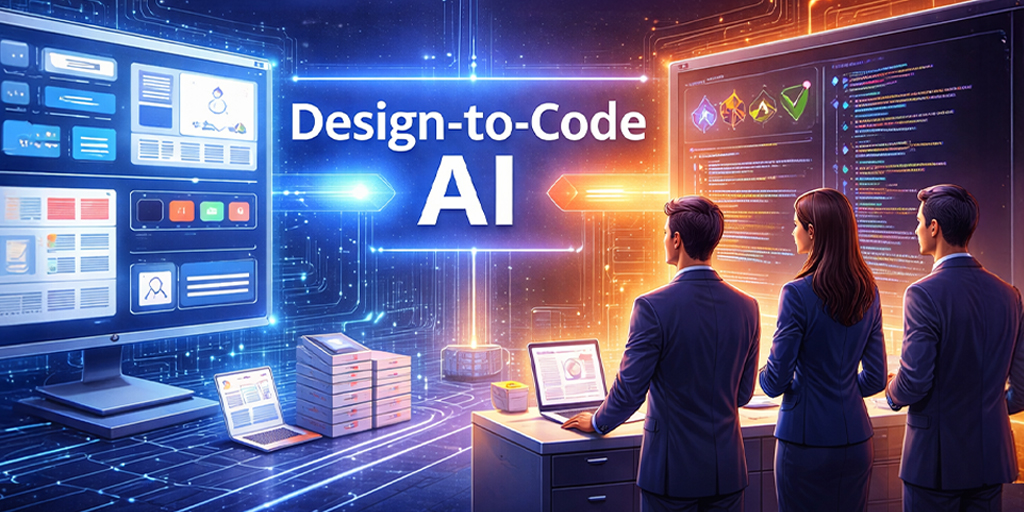
Design-to-code AI removes execution bottlenecks.
Structured design systems can now translate directly into production-ready code, accelerating product and marketing deployment. -
Speed now compounds competitive advantage.
Faster experimentation enables faster learning, leading to continuous optimization and stronger market positioning.
Enterprise AI is no longer experimental. It has entered operational reality.
In early 2026, IBM made a strategic investment in Anima, a generative AI design-to-code platform built to translate structured design systems directly into production-ready code. The move signals more than financial backing. It reflects a broader shift in how enterprises expect AI to function inside real product, brand, and marketing ecosystems. This is not about creative novelty. It is about execution at scale.
The end of the design-to-development bottleneck
For years, the design-to-development workflow has been fragmented. Designers produce static mockups. Developers interpret and rebuild them in code. Each handoff introduces friction, delays, inconsistencies, and cost. At scale, this slows campaigns, product launches, and experimentation cycles. Design-to-code AI compresses that loop.
Platforms like Anima convert structured design intent into deployable front-end code aligned with brand systems, component libraries, and established frameworks such as React or Vue. The objective is not draft-level output, but a governed, production-ready implementation that respects enterprise architecture, coding standards, and design governance. The result is not just speed. It is predictability.
From static mockups to executable design
This is where so-called “vibe coding” becomes relevant, not as a trend label, but as a workflow evolution. Teams collaborate with AI through structured prompts, visual inputs, and design systems to generate usable interfaces in real time.
Design is no longer a static artifact. It becomes executable, data-connected, and iteration-ready from the...


Subscribe to Continue Reading
Get exclusive AI insights for marketers and business leaders - newsletters, strategies, and expert tips included.