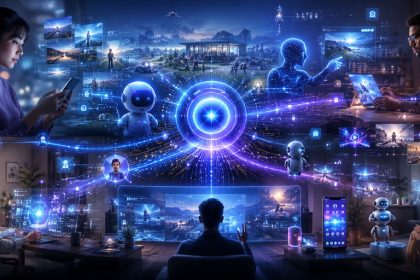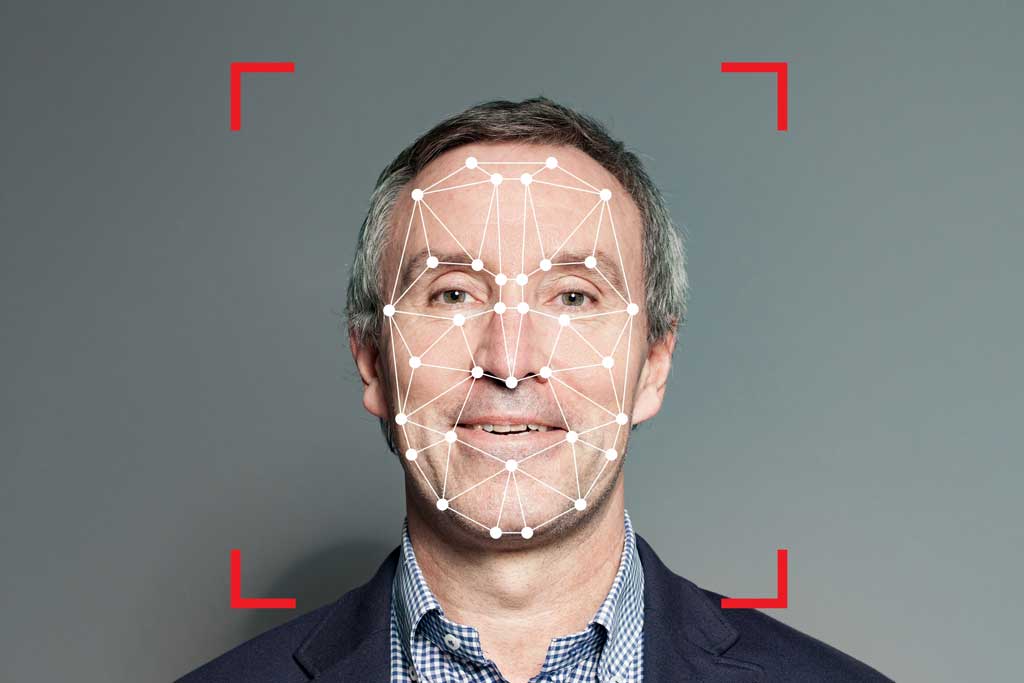

Personalization used to be built largely around what customers clicked, searched for and bought. Now AI can increasingly interpret what customers show and tell it. That could make digital experiences far more useful—but also far more personal.
Personalization has always depended on knowing something about the customer. Marketers segment audiences, analyze browsing behavior, study purchase histories and use algorithms to decide which product or message someone is most likely to respond to.
But what happens when customers don’t have to explain exactly what they need?
Beauty offered an early glimpse of that future.
Back in 2019, L’Oréal and ModiFace introduced an AI-powered skin assessment that could analyze a selfie, evaluate visible signs of skin aging and generate personalized skincare recommendations.
The technology itself is not new. The marketing question behind it feels much more current.
According to L’Oréal’s original announcement, ModiFace’s deep-learning algorithm was trained on 6,000 clinical images from L’Oréal’s research, while a subsequent model was created using more than 4,500 smartphone selfies from three groups of women—Asian, Caucasian and Afro-American—under four different lighting conditions. The underlying L’Oréal Skin Aging Atlases drew on studies involving 4,000 participants aged 20 to 80 in France, China, Japan, India and the United States.
Those details matter because AI personalization is only as relevant as the data, assumptions and classifications on which it is built.
That is particularly important in Asia-Pacific, where brands operate across highly diverse markets, cultures, consumer expectations and populations. Skincare...


Subscribe to Continue Reading
Get exclusive AI insights for marketers and business leaders - newsletters, strategies, and expert tips included.