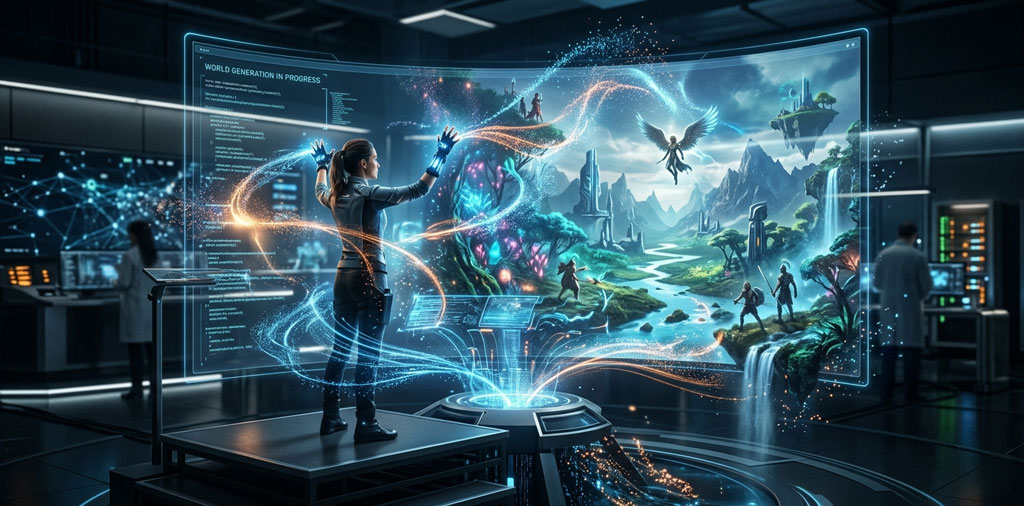

Game development is no longer defined solely by what is built line by line. It is increasingly directed.
The launch of a global AI hackathon by Tencent Cloud signals more than a community initiative. It points to a deeper structural shift in how games are created—moving from technical construction toward system-guided creation.
For decades, building a game required mastering multiple layers of complexity, from programming logic to visual design and narrative structure. Progress depended on technical depth, and creation was defined by execution. That model is now evolving, not disappearing.
With technologies such as Tencent’s Hunyuan large language model and AI Digital Human capabilities, creators are no longer forced to start from code alone. They are starting from intent. Worlds, characters, and interactions can now be generated, iterated, and refined through direction rather than pure manual construction. This significantly reshapes the role of the developer.
Instead of writing every mechanic or asset line by line, creators are shaping outcomes. They prompt, refine, and guide AI systems to produce environments, dialogue, and interactions. Creation becomes less about execution and more about intention. Game development is shifting from execution to orchestration.
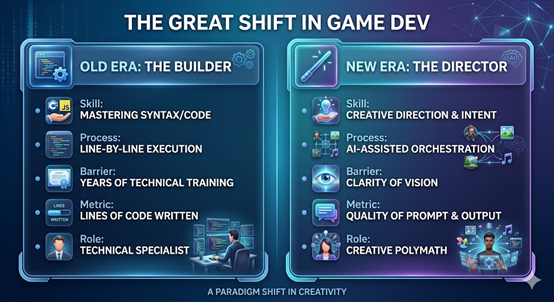
Image: AI is transforming game development from line-by-line execution to system-level direction.
From technical skills to creative direction
What follows is a redistribution of skill. AI does not remove expertise; it relocates it.
Where technical proficiency once defined entry, creative judgment now becomes the differentiator. The ability to frame problems, guide systems, and evaluate outputs becomes as important as, or...


Subscribe to Continue Reading
Get exclusive AI insights for marketers and business leaders - newsletters, strategies, and expert tips included.