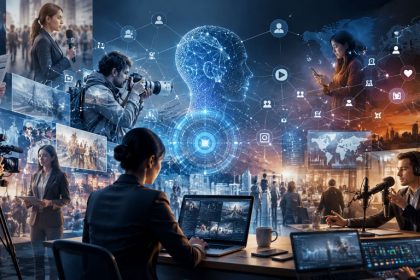

As AI becomes available to everyone, originality—not technology—may become marketing’s greatest competitive advantage.
There was a time when you could recognize a brand almost instantly. A headline, an advertisement, or even a single sentence was enough. Great brands didn’t just sell products, they had personalities. They challenged conventions, sparked conversations, and stayed in people’s minds long after the campaign ended. Their distinctiveness came from bold ideas, creative judgment, and a clear point of view.
Today, that uniqueness is under pressure. Ironically, the same technology that promises to help brands stand out may also be making them sound increasingly alike.
As generative AI becomes embedded across marketing, organizations are producing content at unprecedented speed. Blog posts, social media campaigns, product descriptions, and creative concepts can now be generated in minutes. AI has transformed productivity in ways that would have seemed impossible just a few years ago.
The benefits are obvious. AI enables faster execution, lower production costs, and greater efficiency. But alongside those advantages comes a challenge many organizations are only beginning to recognize.
Speaking at the 2026 Cannes Lions International Festival of Creativity, Fernando Machado, Chief Brand Officer at Chipotle, warned that brands risk entering what he described as a “wind tunnel effect.” As companies optimize content using similar AI systems, they may gradually converge toward the same language, the same ideas,...

Subscribe to Continue Reading
Get exclusive AI insights for marketers and business leaders - newsletters, strategies, and expert tips included.