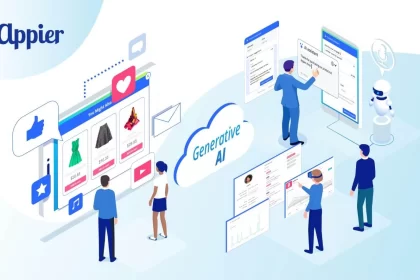

For a while, the chatbot was the future. Every tech company seemed convinced that conversational AI would permanently change how people worked online. Suddenly, every platform had a glowing text box promising to summarize documents, write emails, answer questions, and automate productivity. And for a moment, it worked. Millions of users flooded into AI platforms. Generative AI became the fastest-growing consumer technology wave in modern history. Investors poured billions into the sector. Companies rushed to attach “AI-powered” to virtually every product they owned.
But behind the excitement, a quieter realization began spreading across the industry: people were using AI tools, but they just were not staying inside them.
Most first-generation AI products suffered from the same underlying weakness: they were transactional. You opened the app, asked a question, received an answer, and left. There was little reason to keep the platform open once the task was complete.
That is now becoming one of the biggest strategic problems in artificial intelligence. Because the real battle was never about building a smarter chatbot. It was about controlling the environment in which users live. And increasingly, AI companies are beginning to understand that.
The industry is moving beyond the chat window
Across the tech sector, the focus is rapidly shifting away from standalone assistants and toward something much larger: persistent AI ecosystems. These are not...


Subscribe to Continue Reading
Get exclusive AI insights for marketers and business leaders - newsletters, strategies, and expert tips included.