
Marketing is not just evolving; it is undergoing a fundamental shift that is quietly but decisively redefining how decisions are made, how value is created, and where control resides.
For decades, marketing operated on a relatively stable premise: humans made the decisions, and technology executed them at scale. Teams defined audiences, structured campaigns, crafted messaging, selected channels, and then launched initiatives that unfolded over a defined period of time. Performance was measured after execution, insights were extracted from data, and improvements were applied in the next cycle.
Within this model, control was clear and largely undisputed. Data-informed decisions, but people ultimately interpreted that data and determined what actions should follow.
That model is now breaking—not gradually, but structurally—because the underlying logic that supported it is being replaced.
Campaigns are ending, systems are taking over
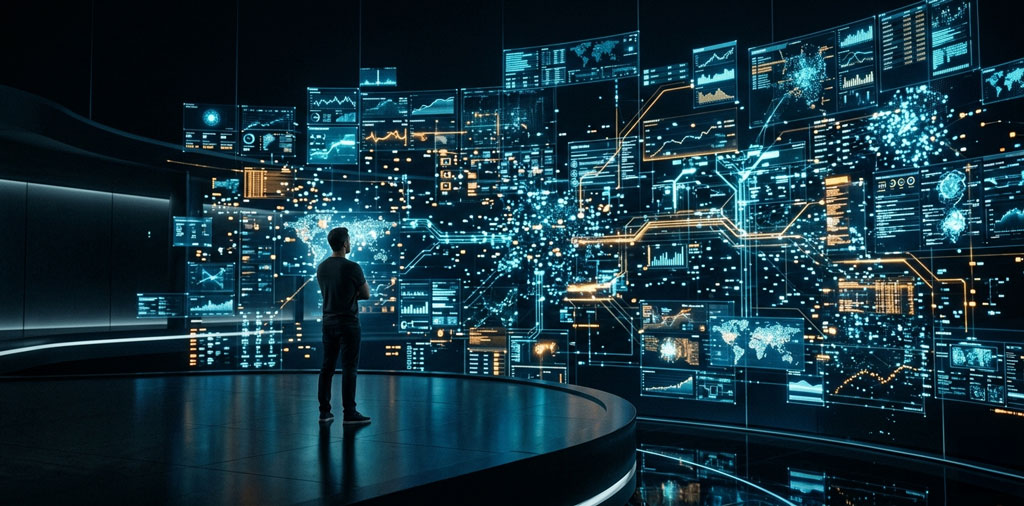
Marketing is no longer about execution; it is about designing systems that sense, decide, and act in real time. Traditional marketing has long been organized around campaigns, which are inherently episodic, structured, and bound by timelines that reflect human planning cycles rather than real-world behavior.
However, customer behavior has never operated in this way. It is continuous, fluid, and constantly evolving, generating signals at every moment: a pause on a product page, a sequence of searches, a shift in browsing patterns, or even subtle changes in engagement timing.
Historically, marketing systems have been capable of capturing these signals, but they have rarely been able to...


Subscribe to Continue Reading
Get exclusive AI insights for marketers and business leaders - newsletters, strategies, and expert tips included.