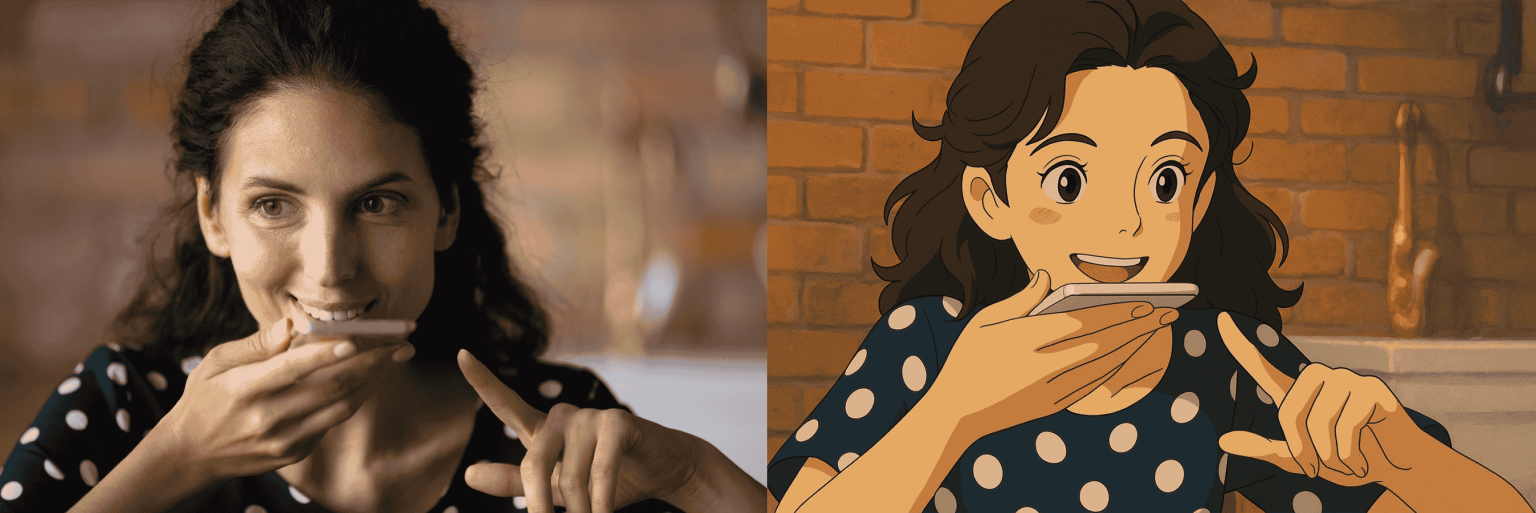

A fresh wave of creativity washed over the internet this week. Fans of Studio Ghibli, the legendary Japanese animation house behind Spirited Away, My Neighbor Totoro, and Princess Mononoke, discovered that the latest version of ChatGPT could turn their favorite memes, selfies, or even pet photos into dreamy, hand-drawn images. These images mimic the whimsical style of Hayao Miyazaki. It didn’t take long for the “Ghiblification” trend to take off. Users posted their results across platforms.
OpenAI, the company behind ChatGPT, has leaned into the trend. CEO Sam Altman even switched his X (formerly Twitter) profile picture to a Ghibli-style portrait. The company’s newly released technical paper describes taking a “conservative approach” to image generation. They note that ChatGPT now refuses to generate content in the style of living artists. Broader studio aesthetics, however, like Ghibli’s — are fair games. But not everyone is enchanted.
Studio Ghibli itself has not commented on the viral trend. However, the legacy of its founder looms large. At 84, Hayao Miyazaki is known for his fierce devotion to traditional, hand-drawn animation and his vocal disapproval of AI. In a 2016 documentary clip now circulating widely again, Miyazaki calls AI-generated animation “an insult to life itself” after witnessing a grotesque demo presented as an artistic breakthrough.
“It’s so hard for [my disabled friend] to do a high five,” Miyazaki said at the time. Thinking of him, I can’t watch this stuff and find it interesting. Whoever creates this stuff has no idea what pain is.”
For many artists and legal experts, the explosion of Ghibli-style AI art is more than just a fun online fad. It’s a legal and ethical minefield. Josh Weigensberg, an intellectual property attorney at Pryor Cashman, notes that the key question is whether OpenAI trained its model on...
Subscribe to Continue Reading
Get exclusive AI insights for marketers and business leaders - newsletters, strategies, and expert tips included.