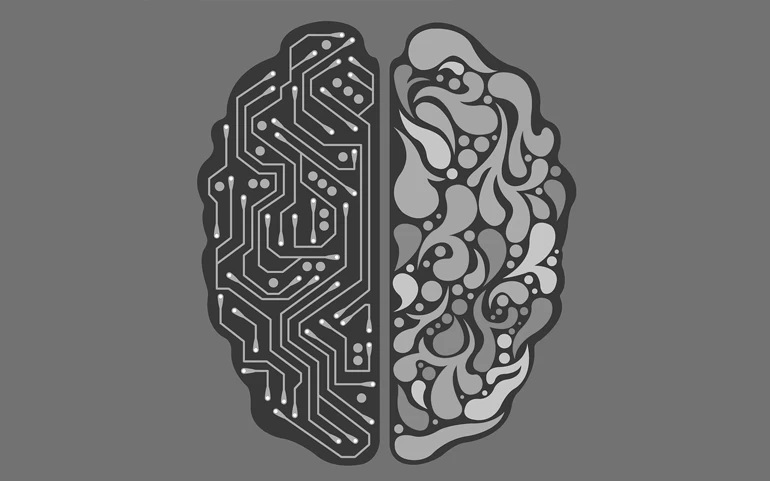

Artificial intelligence is exactly what it sounds like. Tasks that normally require the commitment of a person are done by using technologies that simulate human intelligence. Depending on the activity of a company, this can mean a complex technical solution or a simple chatbot. The fact is that AI techniques have experienced a resurgence in recent years. This follows concurrent advances in computer power that made them an essential part of the technology industry. Nowadays, they help to solve many challenging problems in computer science.
Marketing automation refers to software platforms and technologies designed for marketing departments. These tools help to market more effectively on multiple digital channels and automate repetitive tasks. This increases efficiency and reduces human errors. Since Marketing automation platforms are used as a hosted or web-based solution, no software installation is required by a customer. This makes it acceptable and convenient.
Artificial intelligence and marketing automation differ in that marketing automation is based on parameters given by a person and only executed automatically. In contrast, artificial intelligence goes one step further and makes decisions on its own. It bases these decisions on data from different sources and develops independently based on additional data.
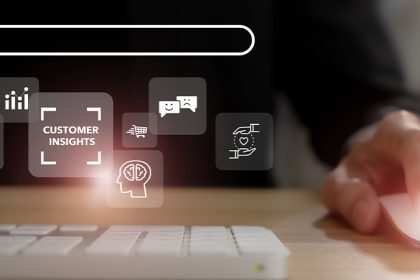
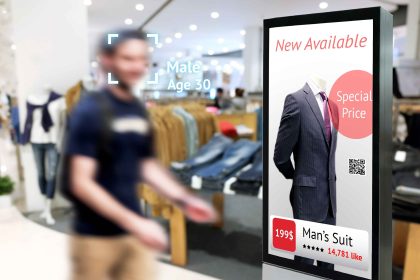
AI technologies are already being used in many areas of marketing. For instance, in the field of social media or media observation. A good example is semantic searches. Here, artificial intelligence is used to recognize a specific topic in an article. It goes beyond finding just user-selected search terms. Certainly, AI is used for search engine optimization, too.
With the help of marketing automation, marketers can control much more complicated message chains than what would be possible when done manually. Not to mention, intelligent systems create such complex combinations of data that a human brain simply can’t create it due to a lack...Anyway, AI most probably won’t take the place of marketing automation; rather, both will become more intertwined. For example, AI is already used today to improve data management in automation tools. In the future, it is most likely to be an integral part of marketing automation systems. The management of marketing automation will be a problem-solving and development collaboration. It will involve both an intelligent system and an evolving marketing professional.

Subscribe to Continue Reading
Get exclusive AI insights for marketers and business leaders - newsletters, strategies, and expert tips included.